How DetectaDeal's Tech Really Works to Spot Killer Deals
Simple breakdown of DetectaDeal's tech—scans, AI matching, alerts, and self-fixes. Get unique tips to hunt deals yourself, spot fakes, and save more in 2026 without endless scrolling. (148 chars)
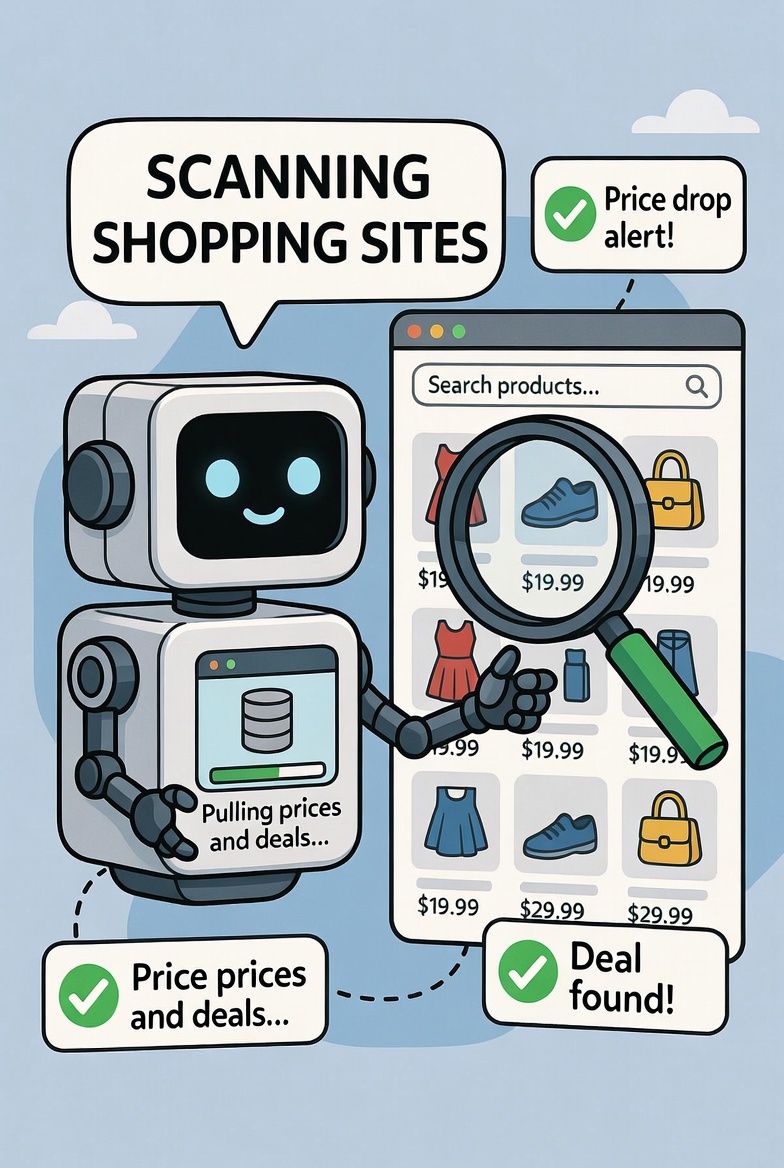
Ever get that thrill when a deal alert hits your phone just in time? It's no accident—it's a clever mix of code and smarts running quietly in the background. As part of the team obsessed with helping you save, I'll walk you through how DetectaDeal actually works, step by simple step. No tech overload, just the key bits that make it tick, plus tips you can steal for your own shopping hunts. By the end, you'll see why these tools beat scrolling sites yourself.
1. Constantly Scanning Shops Like a Hawk
Our system uses quick programs (built with Node.js, a fast tool for handling web stuff—check their basics here: https://nodejs.org/en/learn) to visit places like Amazon, Flipkart, and smaller spots every few minutes. They pull in prices, how much stock is left, any active coupons, and even shipping costs. Then, everything gets cleaned up and stored neatly in a database called PostgreSQL (it's like a super-organized filing cabinet; learn more at https://www.postgresql.org/about).
Details that matter: This isn't random— the scans focus on popular items and sales seasons, like Diwali rushes. If a price drops from ₹5,000 to ₹3,500, we catch it fast because we're checking often, not waiting for user reports like on forums.
Gold tip: Do this manually with free browser extensions like Camelizer. Set it to email you on Amazon drops—I've saved ₹2,000 on gadgets this way before building our app.
2. Smart Matching That Reads Your Mind
Here's the fun part: When you create an alert, say "wireless earbuds under ₹2,000 with good battery," our AI (using free tools from Hugging Face—explore at https://huggingface.co/docs/transformers/embeddings) turns your words into a "fingerprint." It compares this to our stored data, looking beyond exact matches. For example, it might spot "Bluetooth headphones with 20-hour playtime" as a fit, even if you didn't say "Bluetooth."
We add smarts by checking price history—if something's "40% off" but was cheaper last month, we flag it as meh. This cuts through fake sales, unlike basic keyword searches on other apps.